

Mammography and 3D Mammography

Overview | Screening Mammography | Diagnostic Mammography | 3D Mammography | What to Expect | Results and Follow-Up

What Is Mammography?

Mammography is a specialized breast imaging exam used to help detect breast changes early, often before symptoms develop. At The Women’s Imaging Center in Mount Vernon, Washington, mammography services include routine screening mammograms, diagnostic mammograms, and 3D mammography.

Mammography is often the first step in identifying changes within breast tissue. It may be used as part of annual breast health screening or to evaluate a specific concern, such as a lump, focal breast pain, nipple changes, skin changes, or an abnormal finding from a previous imaging exam. Each mammogram is performed using standardized imaging techniques and reviewed by a radiologist with experience in breast imaging.
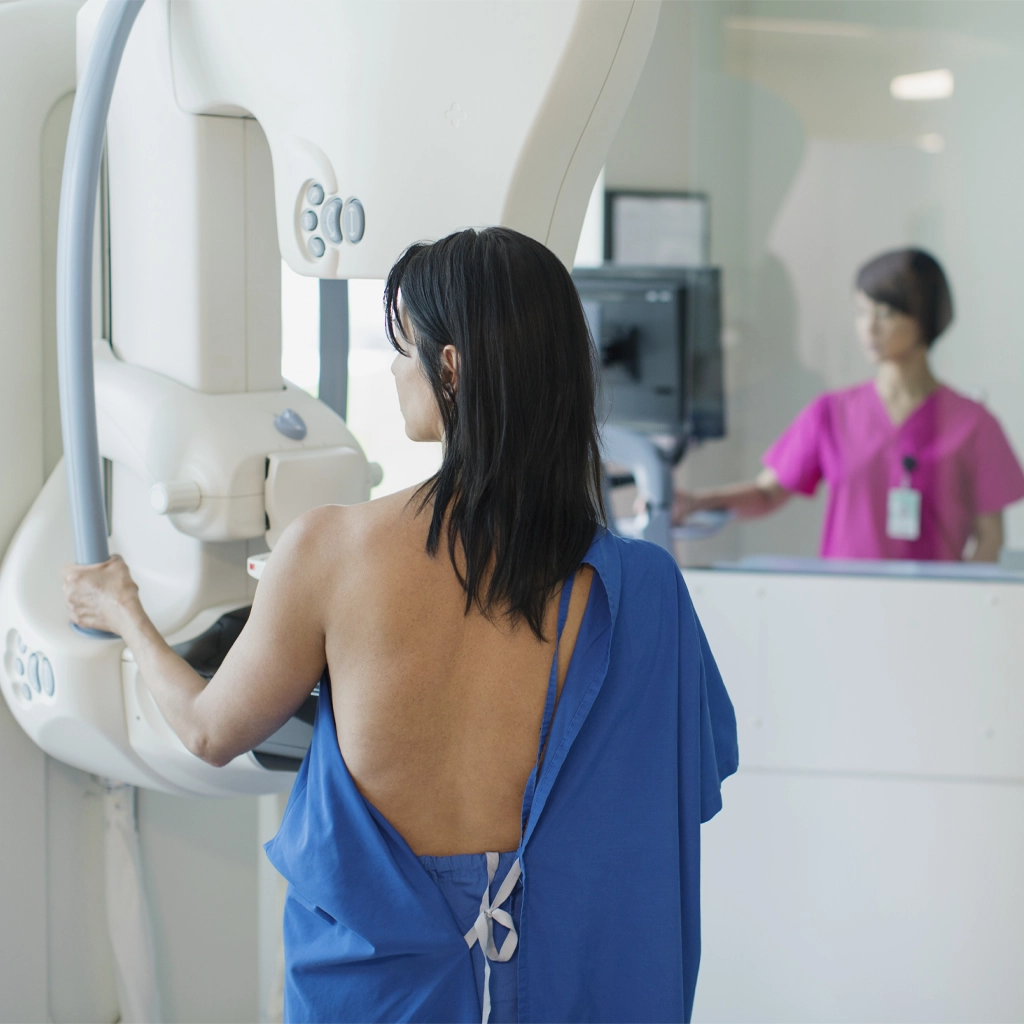
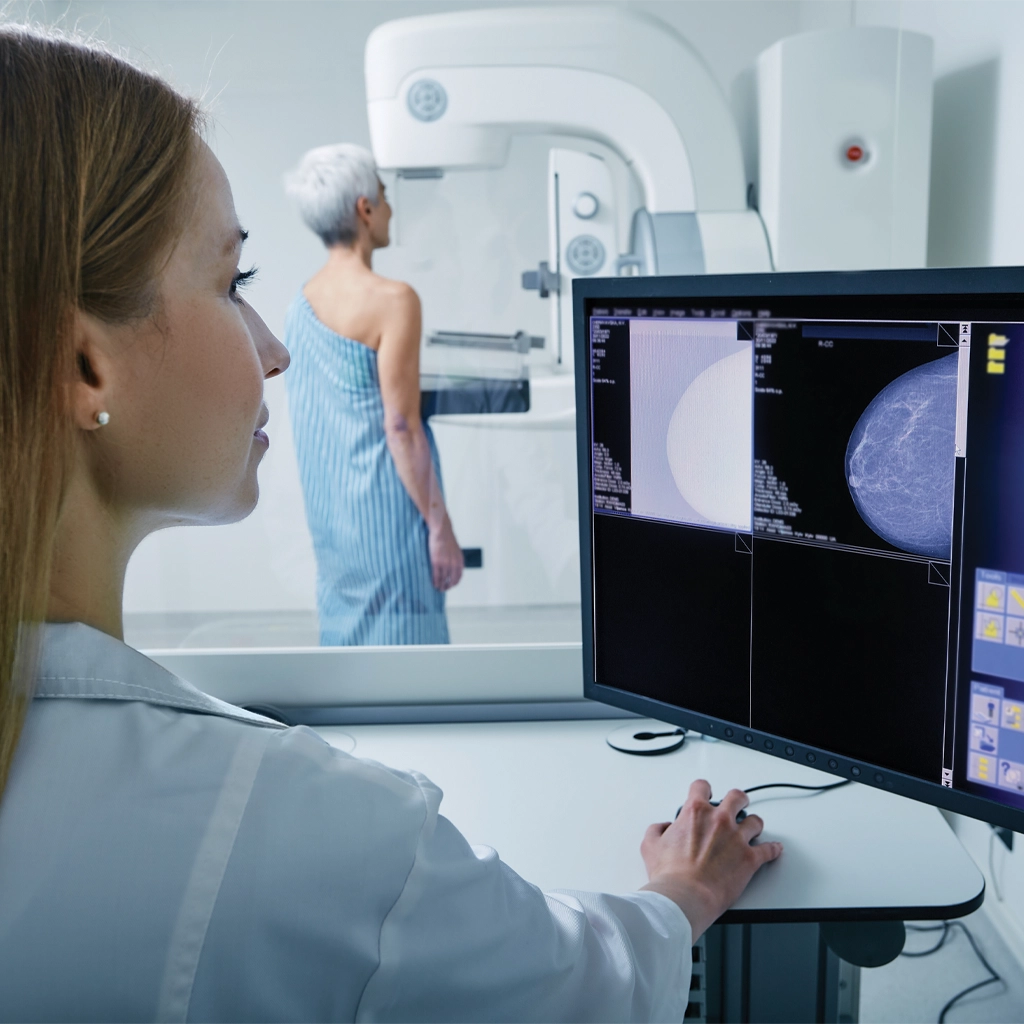
mammography

Screening Mammography

A screening mammogram is performed when you do not currently have breast symptoms or known breast concerns. These exams are typically performed at regular intervals based on your age, medical history, personal risk factors, and your provider’s recommendations.

The goal of screening mammography is to find breast changes early, when follow-up care may be more effective and less invasive. A screening mammogram can detect small changes in breast tissue that may not be felt during a physical exam.

Most screening mammograms are quick and do not require additional imaging. If an area needs a closer look, you may be asked to return for diagnostic mammography or breast ultrasound. Being called back for additional imaging does not necessarily mean there is cause for concern. In many cases, it simply means the radiologist needs more detailed images or prior mammograms for comparison to better understand an area of breast tissue.

Diagnostic Mammography

A diagnostic mammogram is performed when there is a specific breast concern or when more information is needed after a screening mammogram.

Common reasons for diagnostic mammography include a lump or thickening in the breast, focal breast pain, nipple discharge, nipple changes, skin changes, or a finding seen on a previous mammogram or ultrasound.

Diagnostic mammography is more targeted than a screening mammogram. Additional images may be taken from different angles or focused on a specific area of concern. Breast ultrasound may also be performed during the same visit if more information is needed.

3d mammography

3D Mammography

3D mammography, also called breast tomosynthesis, creates multiple images of the breast from different angles. These images allow the radiologist to review breast tissue in thin layers, making certain findings easier to see.

3D mammography can be especially helpful for patients with dense breast tissue, where overlapping tissue may make small abnormalities harder to identify on traditional 2D images. It may also reduce the chance of being called back for additional imaging.

What to Expect During Your Mammogram

During a mammogram, each breast is positioned and gently compressed to obtain clear images. Compression helps reduce motion, improve image quality, and allow the radiologist to evaluate breast tissue more clearly. Some patients feel temporary discomfort during compression, but it is brief. Most patients can return to normal daily activities right after the exam.

Before your exam begins, please tell the technologist if you have breast symptoms, prior breast surgery, areas of concern, or previous breast imaging performed at another facility.

Mammogram Results and Follow-Up

A radiologist will review your mammogram. Results are reviewed alongside your symptoms, medical history, and prior imaging, when available. For diagnostic mammograms, results and next steps may be discussed during your visit or included in the final report sent to your provider.

To request a mammography appointment, please request an appointment online or call (360) 428-7275. A member of our team will follow up to help coordinate your appointment.